

📋 What This Article Covers
- Why most people freeze up mid-conversation, and what is actually happening
- The four-part framework a Harvard Business School professor teaches to fix it
- The single most common mistake people make when trying to sound confident
- A short daily practice checklist you can start using today
- A book recommendation if you want to keep building this skill beyond one video
- The full episode embedded, plus what real viewers and readers say about applying this
You walk out of a meeting and replay every sentence you said. You freeze for a second too long when someone asks your opinion. You watch a colleague hold a room’s attention effortlessly and wonder what they know that you do not. None of this means you lack a personality for conversation. It usually means nobody ever broke conversation down into parts you could practice.
This article is built around a specific piece of research, not general advice about being more outgoing. It looks at what a Harvard Business School professor who has spent over a decade studying conversation actually teaches her students, and turns it into something you can use in a real meeting, interview, or introduction this week.
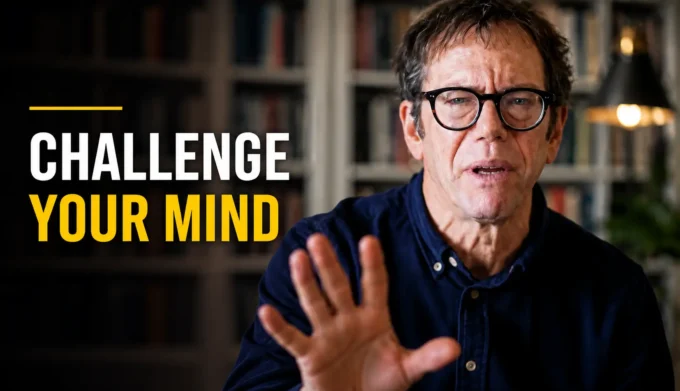
Watch the full episode: “How to Communicate With Confidence & Ease” on The Mel Robbins Podcast
🔍 How This Guide Is Built
This piece is based on The Mel Robbins Podcast episode “How to Communicate With Confidence & Ease,” featuring Dr. Alison Wood Brooks, a Harvard Business School professor who teaches two of the school’s most subscribed courses on negotiation and communication. Her research has also been published as a book called Talk: The Science of Conversation and the Art of Being Ourselves.
What follows is a practical breakdown of her framework, not a transcript. Where a claim needed independent confirmation, it was checked against the podcast’s own episode page and additional coverage of the same conversation before being included here.
Why Conversations Feel Harder Than They Should
Dr. Brooks frames every relationship in your life, a coworker, a manager, a partner, as a long chain of individual conversations strung together over time. Her research suggests that if each of those individual conversations gets even slightly better, the relationship itself improves, sometimes noticeably. That reframes the problem. You are not trying to become a naturally gifted talker overnight. You are trying to make the next single conversation marginally better than the last one.
Her course breaks conversation down into four teachable elements, which makes the whole thing far less abstract than most advice on confidence.
The Four-Part Framework
According to Dr. Brooks’ research, conversations run on four levers you can actually control, regardless of how anxious you feel walking in.
| Element | What It Means | Where To Use It |
|---|---|---|
| Topics | Thinking ahead about what you and the other person might genuinely enjoy discussing, similar to planning an outfit before you leave the house | Before a networking event, interview, or first meeting with a new manager |
| Asking | Asking more, and better, follow-up questions instead of waiting for your turn to talk | One-on-ones, interviews, and any conversation where you want to build trust quickly |
| Levity | Using humour and warmth as a tool to reduce tension, particularly self-deprecating humour rather than humour aimed at others | Icebreakers, teams under stress, and awkward silences |
| Kindness | Genuinely caring about what the other person is showing you, and reflecting it back so they know they were heard | Giving feedback, handling disagreements, and difficult personal conversations |
💡 The Reframe That Changes Everything
Dr. Brooks’ research points to a simple mental shift: treat pre-conversation nerves as excitement rather than anxiety. The physical sensation, a faster heartbeat, a bit of adrenaline, is nearly identical either way. What changes is how you label it to yourself, and that label affects how you actually perform once the conversation starts.
What Viewers Took Away From the Episode
The episode has drawn over a thousand comments, and a few recurring themes show up again and again in what viewers highlighted as their biggest takeaway.
One viewer summarised the whole episode into a working note for themselves: the four pillars of topics, asking, levity, and kindness, paired with three listening steps, hearing, reflecting, and showing the other person you actually heard them.
— YouTube comment, paraphrasedAnother commenter pointed out a habit most people do not notice in themselves: we tend to think we are listening when we are actually rehearsing our next sentence, and real communication starts once you get comfortable simply sitting with what the other person is saying.
— YouTube comment, paraphrasedA widely liked comment described the rare comfort of talking with someone where the conversation flows naturally with no need for any topic preparation beforehand, calling that kind of connection priceless.
— YouTube comment, paraphrasedOne viewer shared a more personal reflection: after losing several family members, what helped most was not advice or explanations, but a friend who simply listened without trying to fix the grief, an experience that shaped how they now try to show up for others.
— YouTube comment, paraphrasedSeveral comments on the video converge on the same idea from different angles: most communication problems are actually listening problems, not speaking problems.
The Mistake That Undoes Most People
The framework above is only half the picture. Knowing what good conversation looks like does not automatically stop you from doing the thing that quietly ruins most conversations before they start.
⚠️ Where People Go Wrong
- Listening to reply, not to understand: Most people spend the other person’s turn preparing their own next sentence instead of actually absorbing what was said.
- Over scripting: Memorising exact lines in advance makes you sound stiff and increases anxiety if the conversation goes off script, which it almost always does.
- Chasing status instead of connection: Trying to prove how capable you are usually reads as insecurity. Focusing on what the other person actually needs from the conversation tends to build more genuine respect.
- Ignoring non-verbal signals: Tone, pace, and body language often carry more weight than the words themselves, and are the first thing to slip when someone is nervous.
✅ A Simple Way To Practice This Week
- Before your next meeting or interview, jot down two or three topics the other person might genuinely find interesting, not just your own talking points
- Ask one more follow-up question than you normally would in every conversation today
- Notice one moment where you were planning your response instead of listening, and gently redirect your attention
- The next time you feel nervous before speaking up, try silently telling yourself you are excited rather than anxious, and see if it changes how the conversation feels
If You Want To Go Deeper Than One Video
A single podcast episode gives you the framework. Building the habit usually takes repeated, structured practice over weeks, not one afternoon. If you are looking for a companion resource with practical exercises rather than research theory, this book covers similar ground in a more workbook style format.
📅 Data verified July 2026, pricing on Amazon changes frequently. Always verify current price before purchasing.Communication Skills: A Practical Guide by Ian Tuhovsky
This paperback (Book 2 in the Positive Psychology Coaching series) covers common communication obstacles, handling conflict and difficult people, giving and receiving feedback, and building rapport through everyday conversation. It runs 158 pages and is aimed at readers who want a practical, example-driven approach rather than a purely academic one.
Check Current Price on AmazonWhat Readers Say
One reader described it as an easy book to learn from, saying it was simple to understand and apply directly to their daily conversations.
— Amazon customer review, paraphrasedAnother reviewer called it simple, practical, and easy to use, noting that it breaks from a dry academic style and instead leans on real examples to help the reader design their own response in a given situation.
— Amazon customer review, paraphrasedA more measured review said the book taught them a great deal, though they felt some sentences had rough grammar in places and suggested the author have it proofed again by an English language expert.
— Amazon customer review, paraphrasedWhere This Fits Into Your Career
Communication is not a soft add-on to a resume. It shows up directly in interview performance, how quickly a manager trusts you with responsibility, and how well feedback conversations go on both sides of the table. Once you have practiced the four-part framework above, it is worth checking how communication and other skills actually translate into what employers pay for them.
Resume Builder — Show These Skills On Paper
Once you start improving how you communicate in interviews, it helps to make sure your resume reflects the same clarity. The Resume Builder helps you phrase your experience the way hiring managers actually scan for.
Use Resume BuilderWhy we dug into a podcast episode instead of writing generic advice
“Sourced from The Mel Robbins Podcast episode page and Dr. Alison Wood Brooks’ published research on conversation, cross-checked across independent podcast coverage before writing.”Most communication advice online recycles the same vague tips. This article saved you the 77 minutes of listening by pulling out the actual, testable framework and skipping the filler.
Support DecodedCareersFrequently Asked Questions
What is the Harvard Business School communication course about?
It is taught by Dr. Alison Wood Brooks and is one of the most subscribed courses at Harvard Business School, alongside her negotiation course. It focuses on the science of conversation, including how topic choice, questions, humour, and kindness shape how conversations actually go, and how those small choices affect relationships and professional status over time.
Why do I freeze up in conversations even when I know what to say?
Freezing usually happens when you are trying to recall a scripted response instead of reacting naturally to what the other person just said. Research on this topic suggests that over preparing exact lines increases anxiety rather than reducing it, because any deviation from the script feels like a failure. Preparing topics and questions in advance, rather than exact sentences, tends to reduce this freeze response.
What is the TALK framework for better communication?
It refers to four elements identified in Dr. Brooks’ research: Topics, Asking, Levity, and Kindness. Topics means thinking ahead about what the other person might find interesting. Asking means using more follow-up questions. Levity means using warmth and humour, especially self-deprecating humour, to ease tension. Kindness means genuinely listening and reflecting back what you heard.
How can I prepare for a conversation without sounding scripted?
Prepare topics and questions rather than word-for-word lines. Think about two or three things the other person is likely to find interesting or relevant to them, not just what you want to say about yourself. This gives you a mental safety net without locking you into an exact script that breaks down the moment the conversation goes somewhere unexpected.
What is the biggest communication mistake people make at work?
Listening in order to reply rather than listening to actually understand. Most people spend the other person’s turn mentally drafting their own next sentence. This means they miss what was actually said, and the other person can usually tell they were not fully heard.
How do I stop overthinking what I said after a conversation?
Overthinking a single conversation matters less than you think, because relationships are built from many conversations over time, not judged on one exchange. Shifting focus toward the next conversation, rather than replaying the last one, tends to reduce this cycle.
Does humour actually help in professional conversations?
Used carefully, yes. Research on this topic points specifically to self-deprecating humour as effective at easing tension, particularly for people who already hold higher status in a group. If you are unsure of your standing in a room, it is safer to ask questions and show curiosity rather than lead with jokes at someone else’s expense.
How can I sound confident during interviews if I get anxious beforehand?
Try relabelling the physical sensation of nervousness as excitement rather than anxiety before you walk in. The bodily sensations are similar. What differs is the mental frame you put around them, and that frame has a real effect on how you come across once the conversation starts.
What is the difference between listening and waiting to speak?
Listening means absorbing what the other person said and responding to that specific content. Waiting to speak means mentally rehearsing your next point while they are still talking. The second habit is extremely common and is one of the first things people notice once they start paying attention to their own conversations.
Are there books that can help me practice communication skills daily?
Yes. Books built around practical exercises, rather than pure theory, are useful once you have the framework in your head and want structured daily practice. Communication Skills by Ian Tuhovsky is one option that covers common conversational obstacles, conflict handling, and building rapport through examples rather than academic explanation.
Where can I watch the full episode with Dr. Alison Wood Brooks?
The episode is titled “How to Communicate With Confidence & Ease (From Harvard Business School’s #1 Professor)” and is available on The Mel Robbins Podcast’s own channels, including YouTube, and on major podcast platforms such as Spotify and Apple Podcasts.
Continue Learning
See What These Skills Are Actually Worth
Communication is one of the soft skills that quietly moves salary conversations. Explore how it factors into real pay ranges across roles in India.
Explore SalariesWas this article useful?
Your vote helps us understand what works.
Important Notice
DecodedCareers publishes educational content based on publicly available information and independent research. The research framework described in this article is sourced from The Mel Robbins Podcast episode page and public coverage of Dr. Alison Wood Brooks’ work, as of July 2026. Viewer comments referenced are paraphrased from public comments on the embedded YouTube video and reflect individual opinions, not verified facts. Reader reviews referenced are paraphrased from public Amazon customer reviews as of July 2026 and reflect individual experiences. Book pricing shown was accurate on Amazon at the time of writing and changes frequently. Always verify current pricing directly on Amazon before purchasing. This article is for informational purposes only and does not guarantee specific outcomes in interviews, workplace conversations, or career advancement.
References
- The Mel Robbins Podcast — Episode 338, “How to Communicate With Confidence & Ease”: melrobbins.com
- YouTube — “How to Communicate With Confidence & Ease (From Harvard Business School’s #1 Professor),” including public viewer comments: youtube.com
- Amazon.in — Communication Skills: A Practical Guide product listing and customer reviews, Ian Tuhovsky: amazon.in










Which part of the framework do you struggle with most: topics, asking, levity, or kindness? Knowing which one trips people up most helps us build better guides on this. Leave a comment below. 👇